Unlocking Growth: How a Marketing Agency Can Transform Your Business in 2026
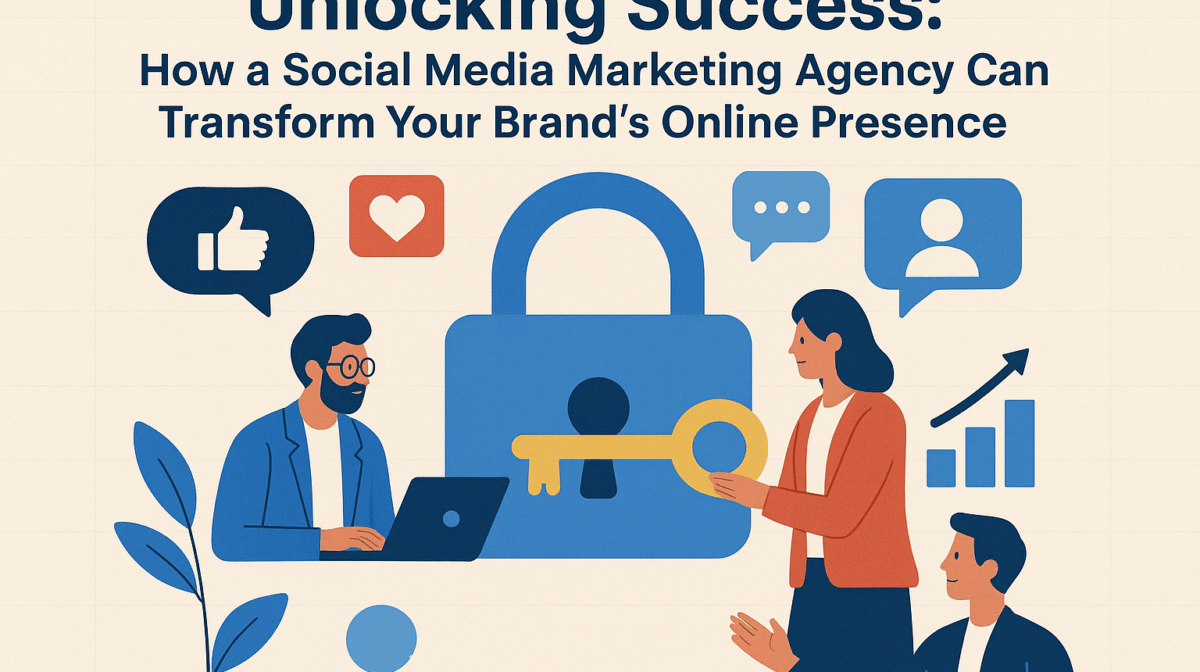
How a Marketing Agency Can Transform Your Business in 2026
In the fast-paced world of 2026, businesses face unprecedented challenges and opportunities in navigating their growth journeys. As digital landscapes evolve and consumer behaviors shift, the need for innovative strategies has never been more critical. This is where a forward-thinking marketing agency steps in to become your greatest ally. By harnessing the power of data-driven insights, cutting-edge technology, and creative storytelling, a dedicated agency can unlock the potential of your brand, enhance your customer connections, and ultimately drive growth. Whether you’re a startup seeking to establish your footprint or an established business aiming to scale, partnering with a marketing agency can transform your vision into reality. Together, you can explore new markets, optimize your campaigns, and create memorable experiences that resonate with your audience. Let’s dive into how a marketing agency can fuel your growth and position your business for success in this dynamic digital era.
The Evolving Landscape of Marketing in
In 2026, the marketing landscape stands as a dynamic and ever-evolving entity, continuously shaped by technological advancements and shifting consumer expectations. The digital transformation that began in the last decade has reached new heights, with businesses embracing sophisticated tools and platforms to connect with their audiences. The rise of artificial intelligence (AI) and machine learning (ML) has enabled marketers to deliver personalized experiences at scale, analyzing vast amounts of data to understand and predict consumer behavior. Simultaneously, the proliferation of social media platforms has fragmented audiences, requiring brands to adopt multi-channel strategies to stay relevant.
Another significant trend in 2026 is the integration of augmented reality (AR) and virtual reality (VR) into marketing campaigns. These technologies offer immersive experiences that engage customers on a deeper level, creating memorable interactions that drive brand loyalty. From virtual product try-ons to interactive storytelling, AR and VR are becoming essential tools in the marketer’s arsenal. Additionally, the growing importance of sustainability and corporate social responsibility (CSR) has influenced consumer preferences, with people increasingly choosing brands that align with their values.
Furthermore, the role of data privacy and security has never been more critical. As consumers become more aware of their digital footprint, businesses must prioritize transparent and ethical data practices. Regulations such as the General Data Protection Regulation (GDPR) and the California Consumer Privacy Act (CCPA) are just the beginning, with more stringent policies expected to emerge. This evolving landscape requires businesses to stay agile and proactive, leveraging the expertise of marketing agencies to navigate these complexities and seize new opportunities.
Why Your Business Needs a Marketing Agency
In the competitive business environment of 2026, having a marketing agency as a strategic partner is no longer a luxury but a necessity. The expertise and resources that an agency brings to the table can make a significant difference in achieving your business objectives. One of the primary reasons to engage a marketing agency is their ability to provide a fresh and unbiased perspective. Internal teams may sometimes be too close to the brand to see the bigger picture, whereas an external agency can offer new insights and innovative ideas that might not have been considered otherwise.
Marketing agencies are also adept at staying ahead of industry trends and technological advancements. They invest in continuous learning and development to ensure that their clients benefit from the latest strategies and tools. This expertise is particularly valuable in a rapidly changing digital landscape, where staying updated can be the difference between success and obsolescence. Agencies bring a wealth of experience from working with diverse clients across various industries, allowing them to apply best practices and avoid common pitfalls.
Moreover, partnering with a marketing agency provides access to a wide range of specialized skills and resources. From creative design and content creation to data analysis and campaign management, agencies have the talent and technology to execute comprehensive marketing strategies. This allows businesses to focus on their core operations while the agency handles the intricacies of marketing. The collaborative approach ensures that campaigns are aligned with business goals, delivering measurable results that drive growth and profitability.

Key Services Offered by Modern Marketing Agencies
Modern marketing agencies offer a plethora of services designed to address the multifaceted needs of businesses in 2026. One of the core services is digital marketing, which encompasses search engine optimization (SEO), pay-per-click (PPC) advertising, social media marketing, and email marketing. These strategies are essential for building an online presence, driving traffic, and converting leads. SEO, in particular, is crucial for improving visibility on search engines, ensuring that potential customers can find your business easily.
Content marketing is another vital service provided by agencies. Creating valuable, relevant, and consistent content helps in attracting and retaining a clearly defined audience. Agencies excel in The Evolving Landscape of Marketing in
2026
The marketing landscape in 2026 is characterized by rapid advancements and constant evolution. With the proliferation of digital platforms and the increasing reliance on data and analytics, businesses are witnessing a paradigm shift in how they connect with their audiences. Traditional marketing techniques are being supplemented, and in many cases, replaced by more sophisticated and targeted approaches. This transformation is driven by the need to deliver personalized experiences that resonate with consumers on a deeper level.
Artificial intelligence and machine learning are at the forefront of this change, enabling companies to predict consumer behavior and tailor their marketing strategies accordingly. These technologies help in identifying trends, optimizing campaigns in real-time, and providing valuable insights that were previously unattainable. Furthermore, the integration of augmented reality (AR) and virtual reality (VR) into marketing campaigns offers immersive experiences that captivate and engage audiences in unprecedented ways.
Another significant shift is the rise of omnichannel marketing, where businesses strive to provide a seamless and consistent experience across all touchpoints. This approach ensures that customers have a cohesive journey, whether they interact with a brand online, in-store, or through social media. As a result, companies can build stronger relationships with their customers, fostering loyalty and driving growth. In this dynamic environment, the role of marketing agencies becomes crucial in helping businesses navigate these complexities and unlock their full potential.
Why Your Business Needs a Marketing Agency
In the competitive landscape of 2026, partnering with a marketing agency is no longer a luxury but a necessity for businesses aiming to thrive. One of the primary reasons for this is the specialization and expertise that agencies bring to the table. Marketing agencies consist of professionals who are well-versed in the latest trends, tools, and technologies. They possess the skills to craft and execute strategies that align with your business goals, ensuring that you stay ahead of the competition.
Moreover, marketing agencies offer a fresh perspective on your business. Often, internal teams can become too close to the brand, making it challenging to identify areas for improvement or innovation. An external agency can provide an objective viewpoint and offer creative solutions that might not have been considered otherwise. This external input can be invaluable in developing campaigns that stand out and resonate with your target audience.
Time and resource management is another critical factor. Running a successful marketing campaign requires significant time and effort. By outsourcing these tasks to a dedicated agency, you can focus on core business activities while ensuring that your marketing efforts are in capable hands. Agencies have the bandwidth to handle multiple aspects of marketing, from content creation and social media management to SEO and PPC campaigns, allowing you to achieve better results without stretching your resources thin.
Key Services Offered by Modern Marketing Agencies
Modern marketing agencies offer a comprehensive range of services designed to meet the diverse needs of businesses in 2026. One of the fundamental services is digital marketing, which encompasses various strategies such as search engine optimization (SEO), pay-per-click (PPC) advertising, social media marketing, and email marketing. These strategies are crucial for increasing online visibility, driving traffic, and generating leads.
Content marketing is another core service provided by marketing agencies. High-quality, engaging content is essential for attracting and retaining customers. Agencies employ skilled content creators who can produce blogs, articles, videos, infographics, and other forms of content that align with your brand’s voice and messaging. This content not only helps in building brand authority but also plays a significant role in improving search engine rankings.
Data and analytics services are integral to modern marketing practices. Agencies leverage advanced analytics tools to track and measure the performance of campaigns. They provide insights into customer behavior, preferences, and trends, enabling businesses to make data-driven decisions. Additionally, agencies offer market research and competitor analysis services to help businesses understand their market position and identify opportunities for growth.
How Marketing Agencies Drive Business Growth
Marketing agencies play a pivotal role in driving business growth by implementing strategies that are tailored to your specific needs and objectives. One of the key ways they achieve this is through targeted marketing campaigns. By understanding your target audience, agencies can create personalized campaigns that speak directly to the needs and desires of your customers. This level of personalization enhances customer engagement and increases the likelihood of conversion.
Another way agencies drive growth is by optimizing your marketing efforts. This involves continually analyzing campaign performance and making adjustments to improve results. Whether it’s tweaking ad copy, adjusting targeting parameters, or reallocating budget, agencies have the expertise to ensure that your marketing dollars are spent effectively. This optimization process results in higher ROI and more impactful campaigns.
Agencies also help in expanding your reach and exploring new markets. With their knowledge of the latest trends and consumer behaviors, they can identify untapped opportunities and develop strategies to penetrate new segments. This expansion not only increases your customer base but also diversifies your revenue streams, making your business more resilient to market fluctuations.
Case Studies: Successful Transformations Through Agency Partnerships
To illustrate the transformative power of marketing agencies, let’s look at a few case studies of businesses that have achieved remarkable success through agency partnerships. One such example is a mid-sized e-commerce company struggling to increase its online sales. By partnering with a marketing agency, the company implemented a comprehensive digital marketing strategy that included SEO, PPC, and social media marketing. Within six months, the company saw a 50% increase in website traffic and a 30% boost in sales.
Another example is a local restaurant chain looking to expand its presence in the highly competitive food industry. The marketing agency developed a brand storytelling campaign that highlighted the restaurant’s unique history and commitment to quality ingredients. Through targeted social media ads and influencer partnerships, the campaign generated significant buzz, leading to a 40% increase in foot traffic and a 25% rise in revenue.
A third case involves a tech startup aiming to establish itself in a crowded market. The marketing agency conducted thorough market research to identify the startup’s unique selling points and potential customer segments. They then crafted a content marketing strategy that positioned the startup as an industry thought leader. As a result, the startup attracted significant media attention, secured venture capital funding, and achieved a 200% growth in user acquisition within the first year.
Choosing the Right Marketing Agency for Your Business
Selecting the right marketing agency is a critical decision that can significantly impact your business’s growth trajectory. The first step in this process is to assess your needs and objectives. Determine what specific goals you want to achieve through your marketing efforts, whether it’s increasing brand awareness, driving sales, or entering new markets. Understanding your priorities will help you identify agencies that specialize in those areas.
Next, evaluate the agency’s expertise and track record. Look for agencies with a proven history of delivering results in your industry. Review their case studies, client testimonials, and portfolio to gauge their capabilities. It’s also essential to consider the agency’s approach and methodology. Ensure that their strategies align with your brand values and vision.
Communication and collaboration are crucial factors in a successful agency partnership. Choose an agency that values transparency and maintains open lines of communication. Regular updates, progress reports, and feedback sessions are vital for ensuring that your marketing efforts stay on track. Additionally, consider the agency’s cultural fit with your organization. A strong working relationship built on mutual trust and respect will lead to better outcomes.
The Role of Data and Analytics in Agency Strategies
Data and analytics are the backbone of effective marketing strategies in 2026. Marketing agencies leverage data to make informed decisions, optimize campaigns, and measure performance. One of the primary uses of data is audience segmentation. By analyzing customer data, agencies can identify distinct segments within your target audience and tailor marketing messages to each group. This level of personalization increases the relevance and impact of your campaigns.
Analytics also play a crucial role in tracking and measuring key performance indicators (KPIs). Agencies use advanced analytics tools to monitor metrics such as website traffic, conversion rates, click-through rates, and customer engagement. These insights allow them to assess the effectiveness of campaigns and make data-driven adjustments to improve results. For example, if a particular ad is underperforming, the agency can quickly identify the issue and make necessary changes to enhance its performance.
Predictive analytics is another powerful tool used by marketing agencies. By analyzing historical data and identifying patterns, agencies can forecast future trends and consumer behaviors. This foresight enables businesses to stay ahead of the competition and make proactive decisions. For instance, if predictive analytics indicate a surge in demand for a specific product, the agency can adjust marketing efforts to capitalize on this opportunity.
Emerging Marketing Trends to Watch in 2026
As we move further into 2026, several emerging marketing trends are poised to shape the landscape. One such trend is the increasing importance of sustainability and social responsibility. Consumers are becoming more conscious of environmental and social issues, and they expect brands to reflect these values. Marketing agencies are helping businesses develop campaigns that highlight their commitment to sustainability, ethical practices, and community engagement.
Another trend is the rise of influencer marketing. While influencer marketing is not new, its evolution continues as influencers become more specialized and niche-focused. Agencies are leveraging micro and nano-influencers who have smaller but highly engaged audiences. These influencers can create authentic connections with their followers, resulting in more genuine and impactful brand endorsements.
Interactive and immersive experiences are also gaining traction. With advancements in AR and VR, marketing agencies are creating campaigns that offer interactive and immersive experiences. These technologies allow consumers to engage with brands in innovative ways, such as virtual try-ons, 3D product demonstrations, and interactive storytelling. These experiences not only capture attention but also leave a lasting impression on consumers.
The Importance of Brand Storytelling in Today’s Market
In today’s market, brand storytelling is a powerful tool for connecting with customers on an emotional level. A compelling brand story humanizes your business, making it relatable and memorable. Marketing agencies excel in crafting narratives that resonate with your audience and reflect your brand’s values, mission, and vision. These stories create a sense of identity and purpose, fostering a deeper connection with your customers.
Effective brand storytelling involves more than just sharing your company’s history or mission statement. It’s about weaving a narrative that aligns with your customers’ experiences and aspirations. Agencies use various mediums, such as videos, blogs, social media posts, and infographics, to tell your brand story in a way that captivates and engages your audience. This multi-channel approach ensures that your story reaches a wide audience and creates a cohesive brand image.
Storytelling also plays a crucial role in differentiating your brand from competitors. In a crowded market, having a unique and compelling story sets you apart and makes your brand more memorable. Marketing agencies help you identify the unique aspects of your brand and highlight them in your storytelling. This differentiation not only attracts customers but also builds brand loyalty and advocacy.
Conclusion: Investing in Your Business’s Future with a Marketing Agency
In conclusion, partnering with a marketing agency in 2026 is a strategic investment that can transform your business and propel it towards success. The evolving landscape of marketing, marked by technological advancements and shifting consumer behaviors, necessitates innovative and data-driven approaches. Marketing agencies bring the expertise, creativity, and resources needed to navigate this complex environment and achieve your business goals.
By leveraging key services such as digital marketing, content creation, and data analytics, agencies drive business growth through targeted and optimized campaigns. Case studies of successful transformations demonstrate the tangible benefits of agency partnerships, from increased sales and market expansion to enhanced brand visibility and customer engagement. Choosing the right agency involves assessing your needs, evaluating expertise, and ensuring effective communication and collaboration.
The role of data and analytics, emerging marketing trends, and the importance of brand storytelling further underscore the value of marketing agencies. As businesses strive to create meaningful connections with their audiences and stay ahead of the competition, the insights and strategies provided by agencies become indispensable. Investing in a marketing agency is not just about immediate gains but also about securing a prosperous and sustainable future for your business.
